A Reality Check on the AI Jobs Hysteria
Artificial Intelligence (AI) is no longer a futuristic concept; it’s a reality that is shaping our world. News headlines are filled with the promise of AI, as well as the fear of its potential to displace jobs. But does this hysteria align with the facts? It’s time to delve deeper into the actual impact of AI on employment.
Amid the buzz, predictions about AI’s effect on the job market are at an all-time high. While it’s true that AI systems are becoming increasingly adept at performing tasks traditionally done by humans, the overall narrative is more complex and nuanced than simple job displacement. Here is a grounded perspective on what’s really happening.

The Changing Landscape of Employment
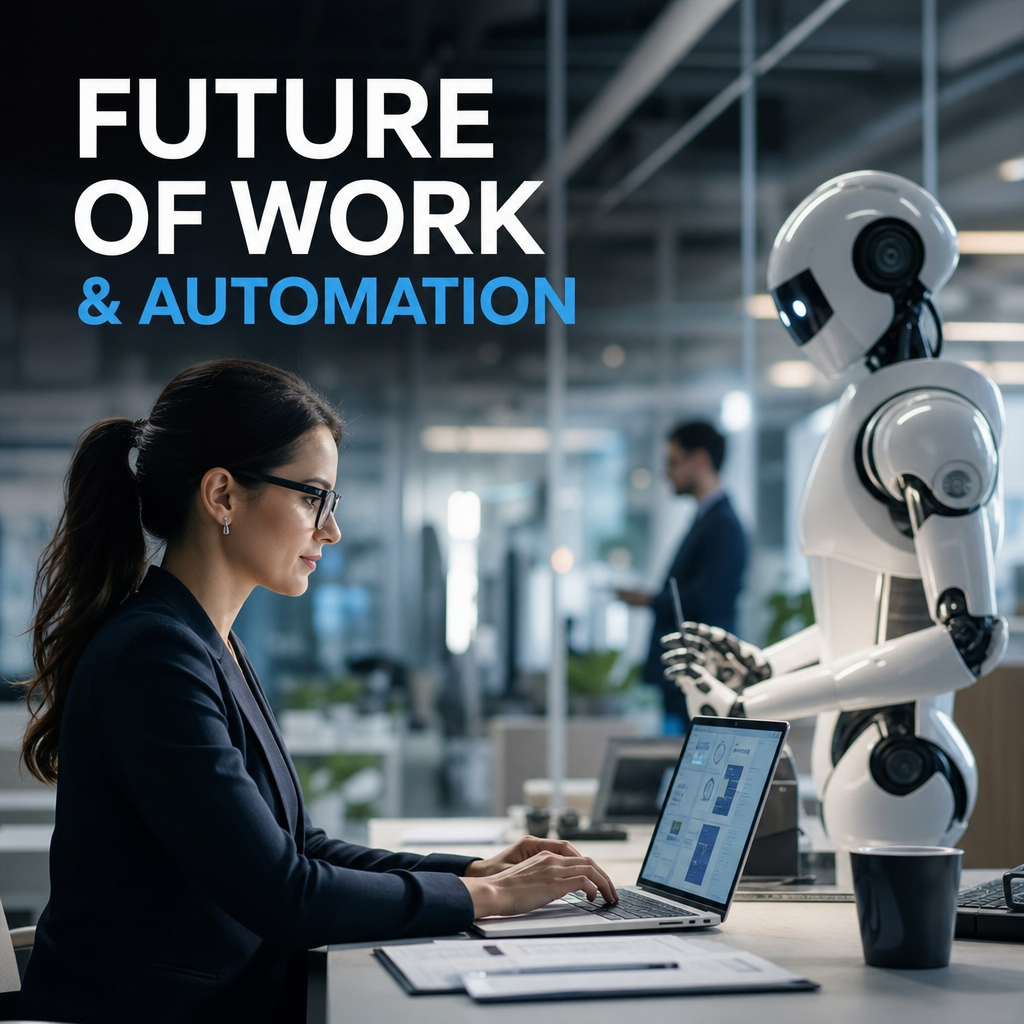
AI and automation are reshaping industries and how we work. Certain jobs are undergoing transformation rather than elimination. Understanding these changes requires an in-depth look at both the opportunities and challenges AI brings to the workforce.
Jobs at Risk vs. Jobs Created
While AI may reduce the need for certain roles, it simultaneously creates new kinds of jobs. Roles such as AI specialists, machine learning engineers, and data analysts are in high demand.
- AI Specialists: Develop and deploy AI solutions
- Machine Learning Engineers: Build algorithms and data-driven models
- Data Analysts: Interpret data to aid organizational decision-making
According to the World Economic Forum, AI is expected to create around 97 million new jobs by 2025, balancing the potential displacement in other sectors.
The Impact on Different Industries
The influence of AI varies significantly across industries. While some sectors find AI to be a catalyst for growth, others are more vulnerable to disruption.
| Industry | Impact |
|---|---|
| Manufacturing | Reduction in manual labor, increase in efficiency |
| Healthcare | Enhanced diagnostic capabilities, improving patient care |
| Retail | Automated customer service, improved inventory management |
AI as an Enabler, Not a Replacer
Rather than replacing jobs, AI is primarily an enabler that fosters innovation and efficiency. It equips human workers with the tools to enhance productivity across sectors.
This technological augmentation allows companies to focus on higher-value work while the repetitive and mundane tasks are handled by AI systems.
Preparing the Workforce for an AI-Powered Future
To mitigate the risks associated with AI in the employment arena, a strategic focus on skills development is essential. Preparing the workforce involves education reforms and reskilling initiatives.
Reskilling and Upskilling
Policymakers and educational institutions must prioritize reskilling initiatives to prepare workers for new job categories emerging at the juncture of AI and traditional industries.
- Technical Skills: Coding, data analysis, and AI system management
- Soft Skills: Creativity, critical thinking, and complex problem solving
- Industry-Specific Training: Programs tailored to specific sectors
Organizations can also play a pivotal role by providing ongoing training that aligns with the evolving technological landscape.
Government and Industry Collaboration
Governments and private sectors must collaborate to create a structured approach for a seamless transition into an AI-driven economy.
This collaboration can result in policy frameworks and incentives that encourage innovation while safeguarding workers’ rights.
Conclusion: A Balanced Perspective
In conclusion, while AI’s integration into the workplace presents its set of challenges, it also offers unparalleled opportunities for growth and innovation. The hysteria surrounding AI’s impact on jobs often glosses over its potential to enhance human capabilities.
By focusing on education, skill development, and collaborative efforts, societies can harness AI responsibly and equitably, ensuring that the future of work remains promising for everyone.