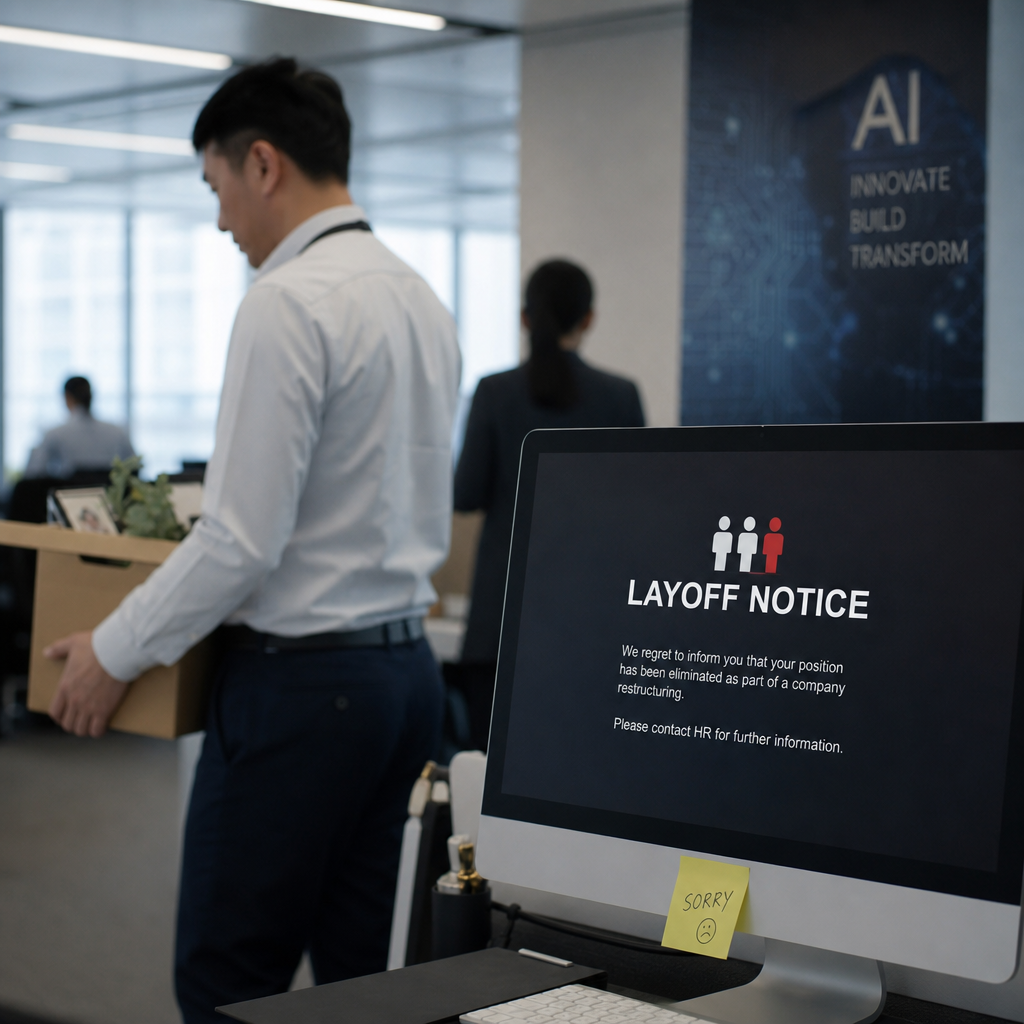
Unlocking the Future: How AI is Transforming Every Job Task
In an era where technology evolves at the speed of thought, AI’s impact on the workplace is undeniable. As industries grapple with automation and AI integration, the question isn’t if AI will change jobs, but how. A Stanford Graduate School of Business report rightly captures this narrative: almost every job contains tasks ripe for AI transformation.
This isn’t just speculation. It’s a reality playing out in boardrooms and breakrooms across the globe. In this post, we’ll dissect how AI is changing the nature of work, what this means for employees, and how businesses can adapt seamlessly to these shifts.

AI’s Influence Across Industries
Artificial Intelligence is not a monolith affecting select sectors but a dynamic force permeating various industries. Key changes are observed in manufacturing, healthcare, and finance, where AI optimizes both processes and outcomes.
Manufacturing and Automation
In manufacturing, robots enhance production efficiency. Automated systems now handle repetitive tasks, allowing human workers to focus on oversight and innovation.
- Predictive Maintenance: AI systems predict equipment failures before they occur, reducing downtime and costs.
- Quality Control: Advanced vision systems detect defects that human eyes might miss, ensuring superior product quality.
AI in Healthcare
Healthcare innovation is incomplete without AI. It assists in faster diagnosis and personalized treatment plans, assuring better patient care and outcomes.
- Diagnostics: AI algorithms analyze medical images more quickly and, in many cases, more accurately than human practitioners.
- Drug Discovery: AI expedites the discovery of new drugs, cutting down time and research costs significantly.
Finance and Data Analytics
Finance industries leverage AI for real-time decision-making and fraud detection. Algorithms spot patterns and anomalies, safeguarding assets effectively.
- Customer Insights: AI crunches massive datasets, unveiling insights that shape customer experiences and strategy.
- Risk Management: Automated analyses help forecast market risks, guiding strategic pivots.
Preparing the Workforce for Change
As AI takes on more tasks, workers need to upskill. Organizations must devise strategies that blend AI with human intelligence effectively.
Employee Retraining and Upskilling
Empowering workers through training programs ensures they remain competitive. Companies must provide the tools needed for skill advancement.
- Technical Skills: Courses on AI operation and management can bolster employees’ toolkits.
- Soft Skills: Skills such as creativity and emotional intelligence remain crucial as AI handles routine tasks.
Cultural Shifts in the Workplace
With AI embedded in workflows, cultural shifts are pivotal. Organizations need a mindset agile enough to embrace change and its byproducts.
- Embracing Change: Cultures thriving on innovation will lead this charge, benefiting from AI-induced transformations.
- Collaboration: A symbiotic relation between AI systems and employees fosters a more efficient workplace.
Strategic Business Adaptations
Businesses need to embed AI in their strategic frameworks to harness its benefits fully. This involves more than just technological upgrades.
| Strategy | Approach | Impact |
|---|---|---|
| Integrative Planning | AI Adoption Plans | Seamless incorporation of AI into business processes and strategies |
| Innovation Funding | Invest in AI R&D | Pioneer business solutions and maintain market leadership |
| Partnerships | Collaborate with AI experts | Leverage external knowledge and AI infrastructure |
Companies that integrate AI strategy with core business processes gain a competitive edge. They’re not merely reacting to AI— they are shaping its role in the future of work.
Conclusion: The Human Touch in the Age of AI
While AI alters jobs, it doesn’t eliminate the need for human involvement. It shifts focus towards tasks demanding human creativity and problem-solving.
As the landscape evolves, staying open to learning and adaptation becomes crucial. Organizations that prioritize people while embracing AI will not just survive but thrive in this transforming world.