Navigating the Future of Work in an Automated Age
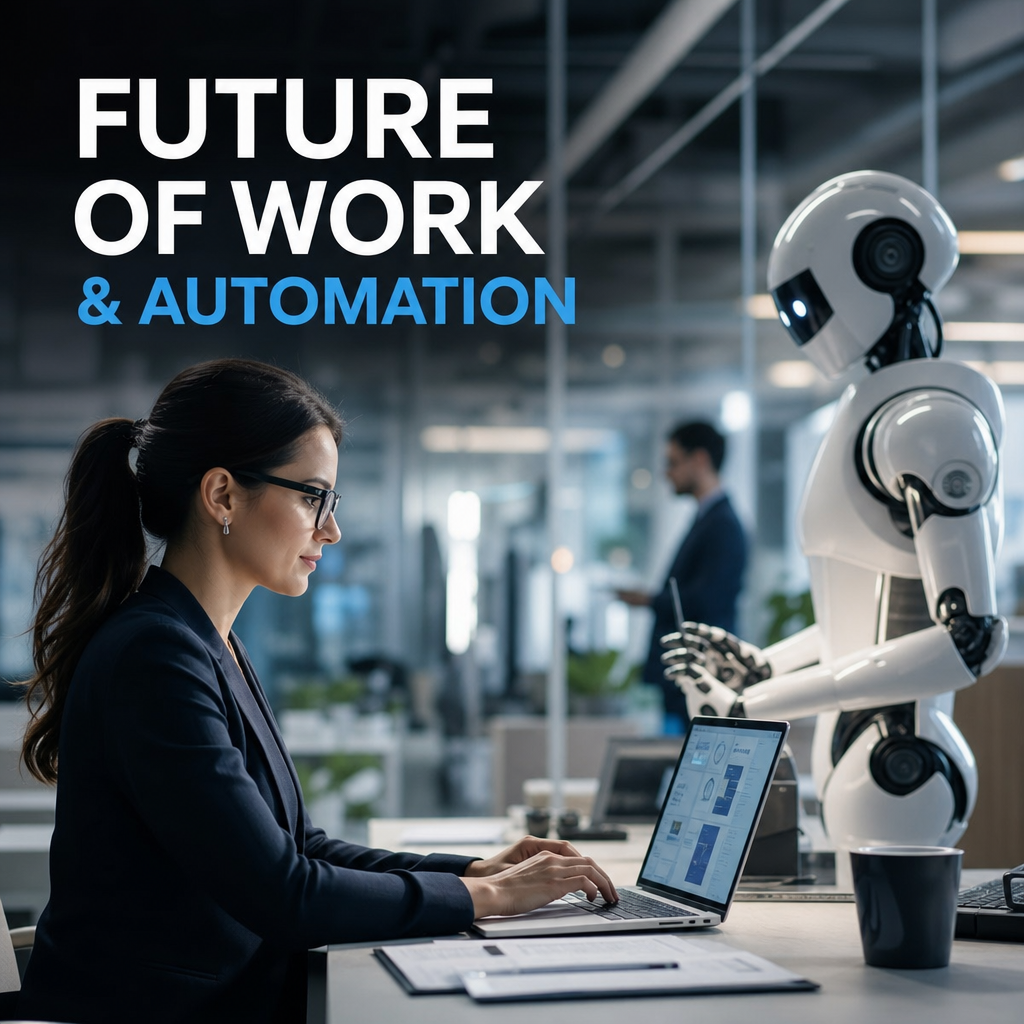
The landscape of work as we know it is on the brink of an evolutionary leap. Automation, propelled by profound advances in AI and machine learning, is becoming an integral part of businesses globally. Rather than induces fear of a jobless future, this evolution embarks on reshaping occupations, creating new roles, and enhancing workforce productivity.
Yet, this transition to an automated world brings its own set of challenges. Understanding how to adapt, what skills are in demand, and how to effectively integrate automated processes are crucial questions for both individuals and corporations. As we delve deeper into this transformative era, it is imperative to strike a balance between technology and human skills.

The Rise of Automation in the Workplace
Automation is rapidly transforming industries, from manufacturing to healthcare. The tech-driven age has businesses investing heavily in automation tools that handle repetitive tasks, allowing workers to focus on creative and cognitive roles.
- Manufacturing: Automated machinery handles assembly line work with efficiency, reducing human error and operational costs.
- Healthcare: Automated systems improve patient data management and diagnostic accuracy, freeing up healthcare professionals for patient-focused care.
The Shaping of New Job Roles
The Shift Towards Knowledge-Based Work
As automation takes over routine tasks, there is a noticeable shift towards knowledge-based professions. These roles leverage human creativity, emotional intelligence, and problem-solving capabilities.
Industries are keen on roles that require digital and data literacy. Professionals adept in these areas find new opportunities rapidly emerging.
Upskilling and Reskilling: The New Career Norm
With these shifts, there’s a pressing need for upskilling and reskilling. Employers and employees alike must focus on continuous learning of new technologies to stay relevant.
| Current Skill | Future Skill |
|---|---|
| Data Entry | Data Analysis |
| Customer Service | Customer Relationship Management |
Integrating Automation Effectively
Seamless integration of automation into the workforce requires thoughtful strategies. Businesses must ensure that automation complements human tasks rather than outright replacing them.
Human-AI Collaboration
Rather than making humans obsolete, automation should be seen as a tool for enhancing productivity and collaboration. Human-AI teams have been shown to outperform AI-only teams in various projects.
Utilizing AI to manage complex data allows humans to focus on strategy and creative problem-solving.
The Future Outlook: Balancing Tech with Humanity
The key to sustainably navigating this automated age lies in achieving a harmony between technological advances and human value. It’s an era where empathy, ethics, and creativity will be as valuable as technical know-how.
By embracing these changes and preparing proactively, the future of work promises greater innovation, inclusivity, and opportunities for growth.