The Dual Edged Sword of AI: Revolutionizing Industries While Looming Bubble Risks
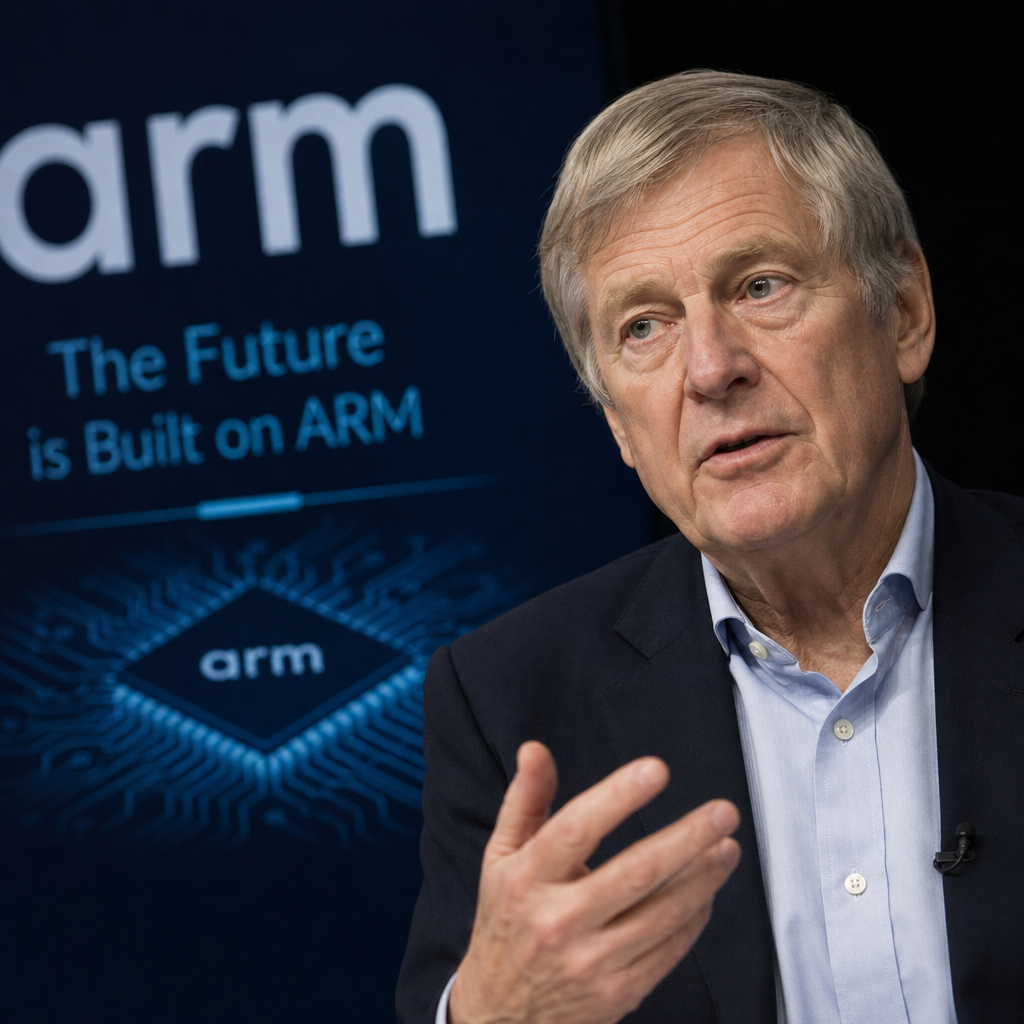
Artificial Intelligence is no longer a distant concept. It’s a revolution that is transcending traditional boundaries and creating new paradigms in technology and business. Yet, like all transformative technological leaps, it carries with it inherent risks. Arm co-founder Hermann Hauser has been a vocal advocate, sounding alarms about the potential bubble that the AI industry could face.
As businesses and entrepreneurs rush to harness the power of AI, there is a growing concern that the rapid enthusiasm might lead to inflated expectations and speculation. Understanding these risks and evaluating the market dynamics is crucial to ensure sustainable growth and innovation.

The Reality of the AI Revolution
The impact of AI is undeniable. Industries across the board—from healthcare to finance—are integrating AI to streamline operations and improve outcomes. AI’s ability to analyze massive datasets and generate insights is creating efficiencies that were previously unimaginable.
However, the real revolution lies in AI’s potential to augment human intelligence. It’s not just about replacing tasks; it’s about enhancing capabilities, leading to more informed decision-making processes.
Risks of an AI Bubble
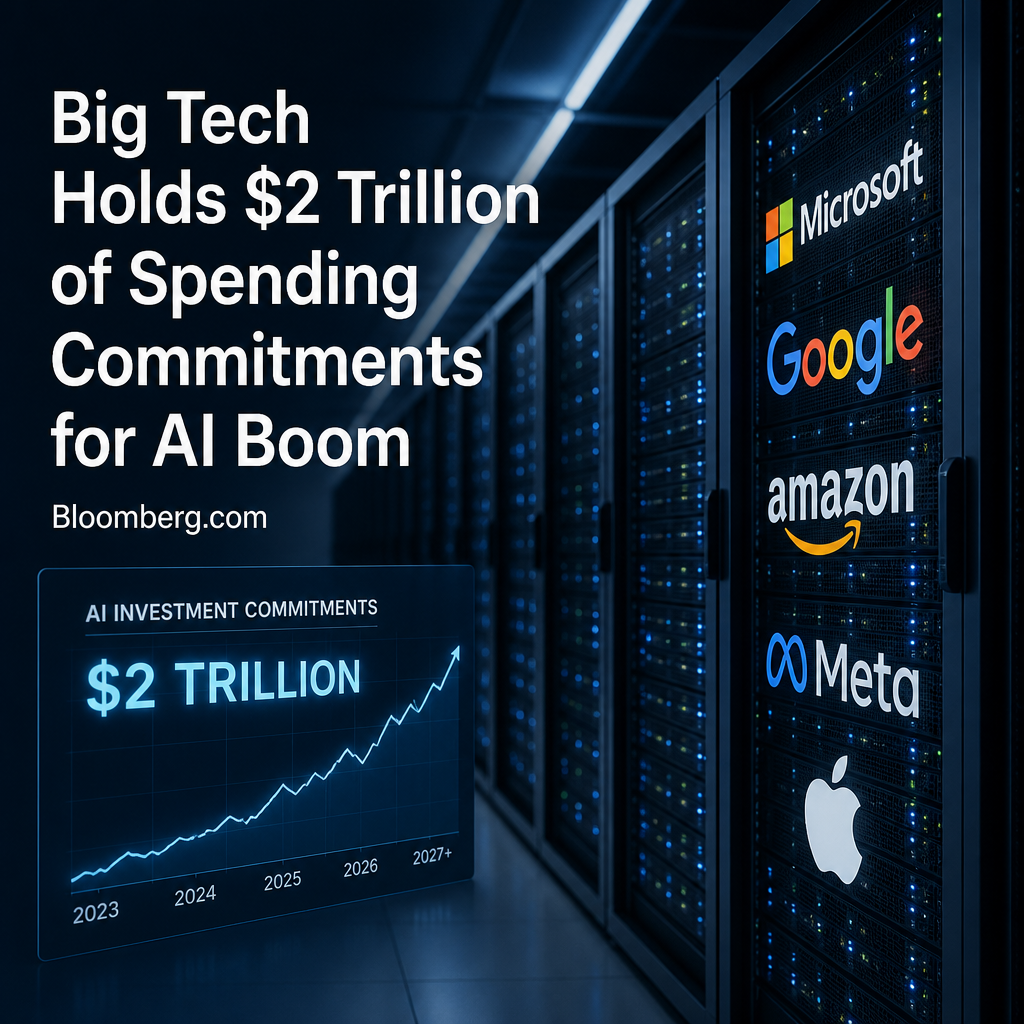
With the rapid proliferation of AI technologies, there is growing concern about overvaluation in the sector. Startups are receiving vast sums of investment based on potential rather than performance, leading to fears of an unsustainable bubble akin to the dot-com era.
- Overhyped Expectations: The success stories in AI often outshine the numerous challenges still faced in implementation.
- Lack of Regulatory Frameworks: The fast-paced evolution of AI technology outstrips the development of comprehensive regulatory measures.
- Market Speculation: A rush to invest can often lead to speculation where real value might be overstated.
Indicators of a Potential Bubble
To identify the presence of a bubble, one needs to look at a range of indicators including market sentiment, investment volumes, and technological maturity. Each indicator provides insight into the actual versus perceived value of AI enterprises.
| Indicator | Description |
|---|---|
| Investment Volumes | Excessive investments in a short timeframe can indicate overheating. |
| Technological Maturity | AI tech still in development getting funded at higher valuations. |
| Market Sentiment | Public perception skewed towards the capabilities of AI rather than current realities. |
Ensuring Sustainable AI Growth
For AI to fulfill its promise without falling into an economic trap, stakeholders must focus on sustainable growth strategies. These include establishing robust regulatory frameworks, promoting transparency in AI development and application, and investing in R&D rather than speculative projects.
Moreover, industry collaborations can foster shared learning and resource development, reducing redundancy and promoting cross-sector innovation.
The Way Forward
While the warnings from Hermann Hauser and others should not be ignored, they should act as a catalyst for more measured responses from investors and companies alike. The future of AI is undeniably bright but ensuring it does not become the next bubble requires due diligence and thoughtful engagement from all industry players.