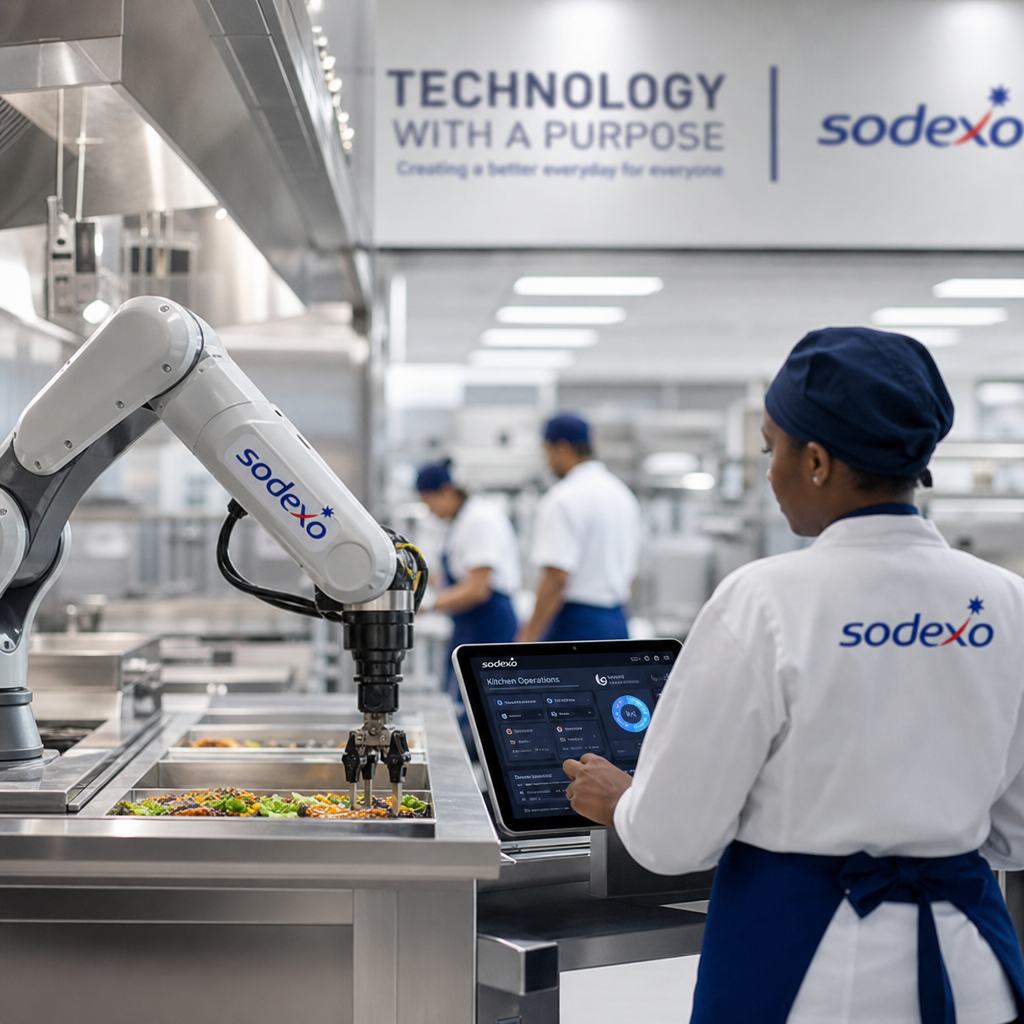
AI Isn’t a Tech Challenge—It’s a Culture Challenge
Picture a world where AI seamlessly integrates into our workspaces, not as a disruptor but as a collaborator. As intriguing as it sounds, the real hurdle is not technological but cultural. Companies often get bogged down by the technological aspects of AI, forgetting the critical influence of organizational culture.
While AI promises increased efficiency and innovation, its success is contingent on cultural acceptance and adaptation. This involves transforming workplace practices and mindsets, establishing trust among employees, and aligning AI initiatives with broader organizational goals.

Understanding the Cultural Shift
Bridging the Gap Between Man and Machine
For AI to be successful, employees need to feel comfortable and informed about working alongside machines. This requires fostering an environment that promotes continuous learning and open communication.
- Encouraging AI literacy through workshops and training sessions.
- Promoting transparent communication regarding AI projects and their objectives.
- Involving employees in discussions about AI to create a sense of ownership and collaboration.
Cultivating a Forward-Thinking Mindset
A culture that embraces innovation is crucial for AI integration. It’s about fostering curiosity, resilience, and adaptability amidst rapid technological changes.
- Building a team culture that values experimentation and accepts failures as learning opportunities.
- Encouraging cross-functional collaboration to better integrate diverse insights and skills.
Overcoming Resistance to Change
Addressing Fear and Uncertainty
Resistance to AI often stems from fear of the unknown and insecurity about job security. Addressing these concerns is key to creating a supportive AI culture.
- Communicating the benefits of AI in improving, not replacing, human work.
- Providing reassurances and strategies for workforce transition and upskilling.
Aligning AI With Organizational Goals
The cultural challenge extends to ensuring AI aligns with the overarching mission and values of the organization. Clear alignment fosters trust and commitment from employees.
- Defining clear, mission-oriented objectives for AI projects.
- Creating a governance framework to ensure ethical and aligned AI deployment.
Metrics of Success
Organizations must set metrics to evaluate the cultural adaptation of AI effectively. Understanding these dynamics can help refine strategies and ensure success.
| Metric | Description |
|---|---|
| Employee Feedback | Collect insights on AI perceptions through surveys and interviews. |
| AI Adoption Rates | Evaluate how quickly and effectively AI tools are adopted by teams. |
| Innovation Metrics | Track new ideas, patents, or improvements resulting from AI initiatives. |