THINK Ahead: Why an AI Bust Wouldn’t Stop at Tech
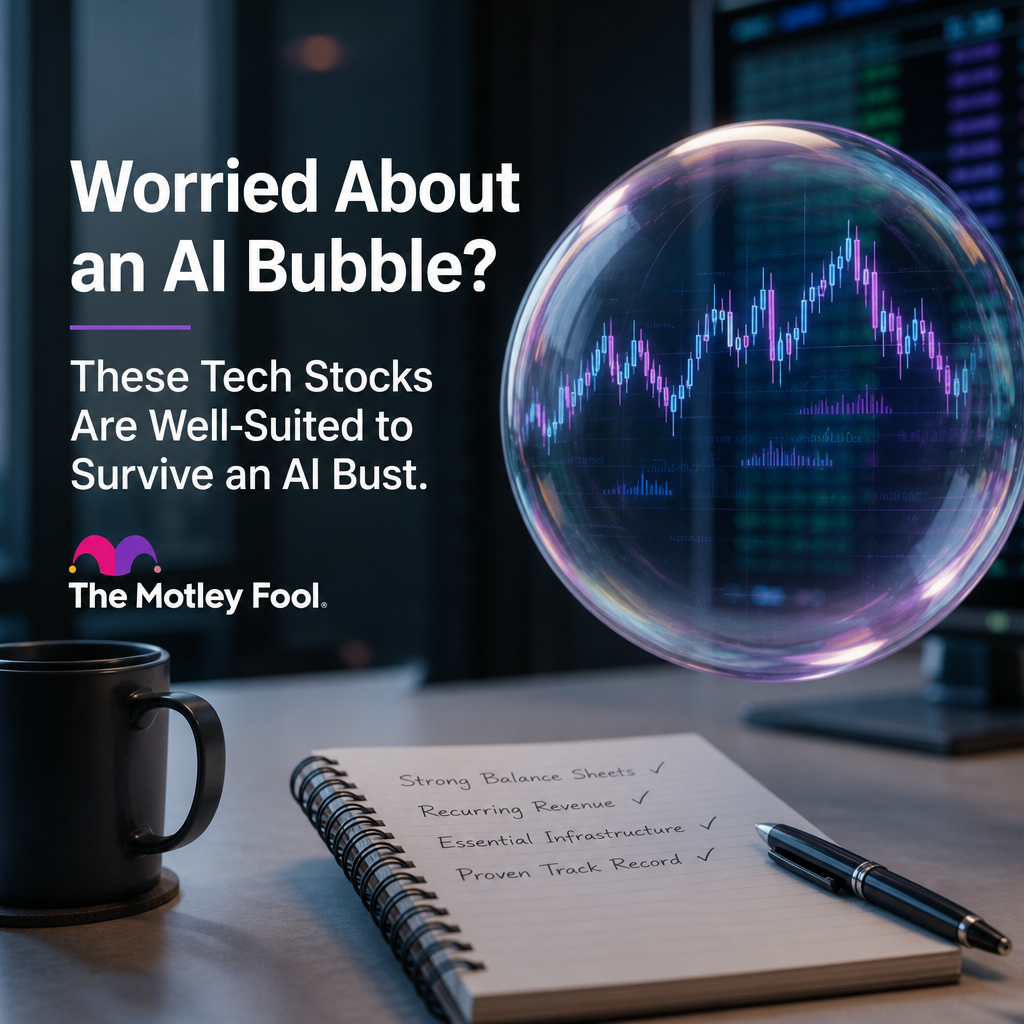
Artificial Intelligence has transformed from a sci-fi fantasy into a driver of economic and social change, influencing everything from the way we shop to how we work. However, as quickly as the AI industry has expanded, it’s also susceptible to a potential bust that could ripple far beyond the tech sector.
While AI continues to promise efficiency and innovation, markets are beginning to grapple with questions of sustainability and ethical concerns. A downturn in AI investments wouldn’t just hit tech companies but could have broader implications on financial markets, labor dynamics, and even innovation in other sectors.

The Potential for an AI Bust
The investment landscape is crowded with optimism around AI, but unsustainable growth could lead to a bust. Overvaluation of AI stocks and startups creates a bubble similar to previous tech booms. When expectations outpace reality, corrections can be harsh.
Signs of Overvaluation
- Skyrocketing Valuations: Many AI startups boast valuation figures that are more reflective of potential future earnings rather than current financial health.
- Market Speculation: Investors often buy into the promise of transformational tech without a clear path to profitability.
These factors contribute to a volatile situation that could precipitate a sudden downturn. Investors may reconsider their portfolios, influencing stock prices beyond just the tech core.
Broader Economic Impacts
If an AI bust occurred, it would find its way to the broader economy. Financial firms heavily invested in tech could face substantial losses, affecting credit markets and economic stability.
Impact on Labor
AI-driven automation is already transforming the job market, but a bust might swing the pendulum back. Businesses might slow automation efforts, affecting sectors like manufacturing and retail.
Innovation in Other Industries
- Healthcare: AI advancements have revolutionized diagnostics, but funding cuts could stall progress.
- Automotive: The push for autonomous vehicles hinges on AI; a downturn could derail timelines.
Strategic Adjustments
Preparing for an AI bust involves strategic resilience. Diversifying investments and managing expectations can buffer against market volatility.
Resilience Strategies
- Portfolio Diversification: Investors should consider spreading investments across varied sectors to mitigate risks.
- Realistic Expectations: Emphasizing long-term sustainability over short-term gains can protect stakeholders.
By taking a cautious yet proactive stance, stakeholders can shield themselves from the full brunt of an AI bust.
Conclusion
While AI continues to push boundaries, recognizing the signs of a potential bust and preparing for it can safeguard not just the tech sector but the economy as a whole. Stakeholders must adopt thoughtful strategies that prioritize sustainable growth, ensuring the benefits of AI innovation are equitable and enduring.
| Sector | Potential Impact |
|---|---|
| Finance | Increased market volatility and credit risks |
| Labor | Slowdown in automation, affecting job dynamics |
| Healthcare | Potential stall in AI-driven innovations |
| Automotive | Possible delays in autonomous vehicle adoption |