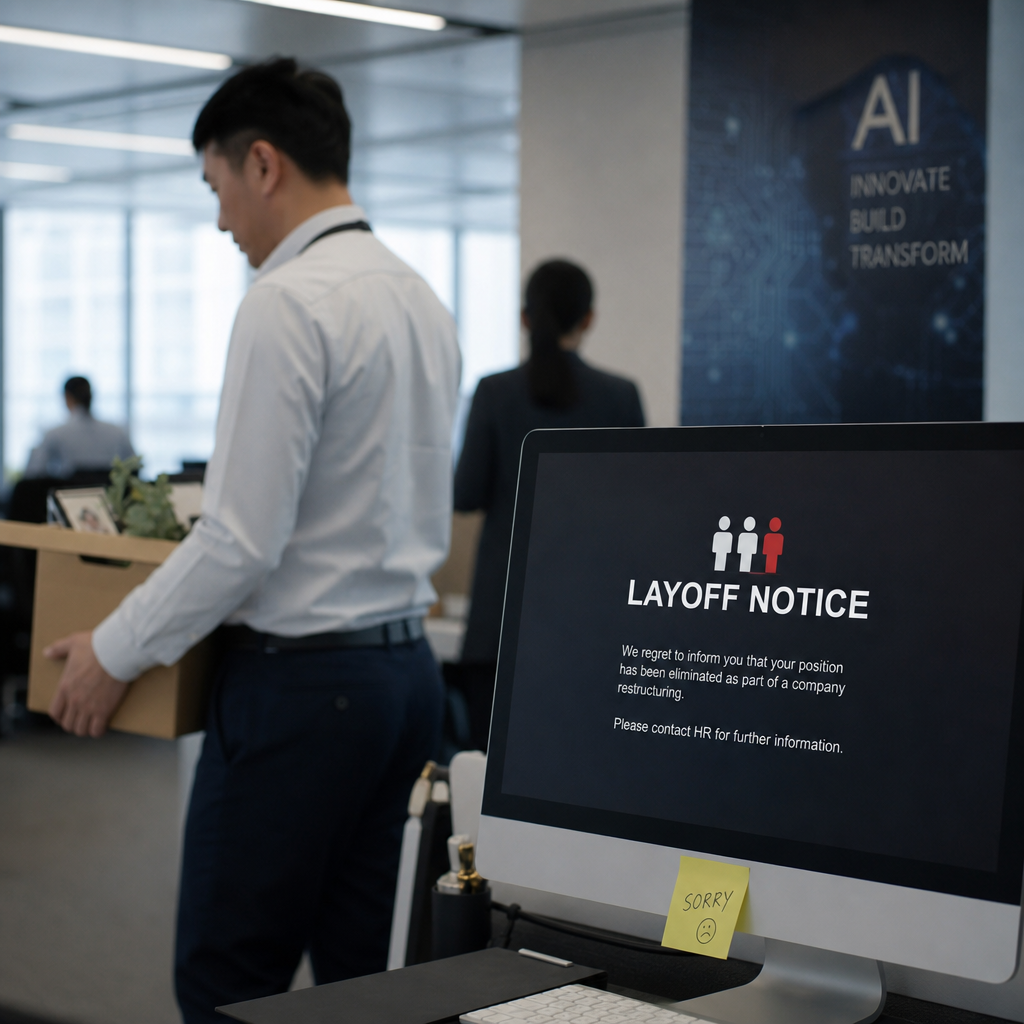
Unpacking the Tech Industry’s Paradox: Job Loss Amidst an AI Spending Boom
The tech landscape in the United States is undergoing a significant transformation. Despite the burgeoning investment in artificial intelligence, a marked reduction in employment figures is becoming apparent. The juxtaposition of these two trends paints a complex picture that merits a deeper exploration.
The Financial Times recently reported that US tech giants have cut 140,000 jobs, even as companies are channeling more resources into AI development than ever before. This contradiction raises fundamental questions about the impact of AI on the employment landscape and future industry dynamics.

Understanding the AI Spending Surge
The tech industry is funneling billions into AI, viewing it as the cornerstone of future growth and innovation. From improving customer experiences to automating routine tasks, AI applications are transforming business operations. However, increased spending hasn’t translated into job security.
Reasons Behind Increased AI Investment
- Innovation Drive: AI drives breakthrough innovations, promising enhanced efficiency and new capabilities.
- Competitive Edge: Staying ahead in the tech race necessitates significant AI investment.
- Customer Demand: Businesses aim to meet the growing demand for personalized and immediate experiences.
The Impact of AI on Employment
While AI enables automation, it also leads to workforce reductions. This trend is prompting a reevaluation of employment models within tech companies, where roles are increasingly being redefined or phased out.
Job Cuts in Major Tech Firms
- Reskilling Challenges: Employees face challenges adapting to new skill requirements set by technology advancements.
- Role Redundancies: AI automation reduces the need for certain job functions.
- Operational Restructuring: Tech firms are restructuring to align with technological advancements, leading to job scope changes.
Adapting to the AI Economy
As the AI economy expands, workforce adaptability becomes crucial. Employees must develop new skills to thrive in this technology-driven landscape. Companies, on their part, can foster this transition by offering training and reskilling programs.
Building a Future-Proof Workforce
- Education and Training: Organizations should invest in continuous learning and development opportunities for employees.
- Public-Private Partnerships: Collaboration between industry and educational institutions can bridge skill gaps.
- Emphasis on Soft Skills: Cognitive flexibility and problem-solving abilities are key in an AI-integrated workplace.
| Company | Jobs Cut | Q3 AI Investment ($) |
|---|---|---|
| Company A | 40,000 | 2 Billion |
| Company B | 60,000 | 3 Billion |
| Company C | 40,000 | 1.5 Billion |
Navigating the Road Ahead
As AI continues to revolutionize technologies, both companies and employees must navigate this transition adeptly. Strategic workforce planning and proactive upskilling are essential to harness AI’s full potential while ensuring job security.
Balancing innovation with employment stability is an ongoing challenge for the tech industry. By embracing adaptability and skill development, however, the future of work can address both technological progress and workforce inclusion.