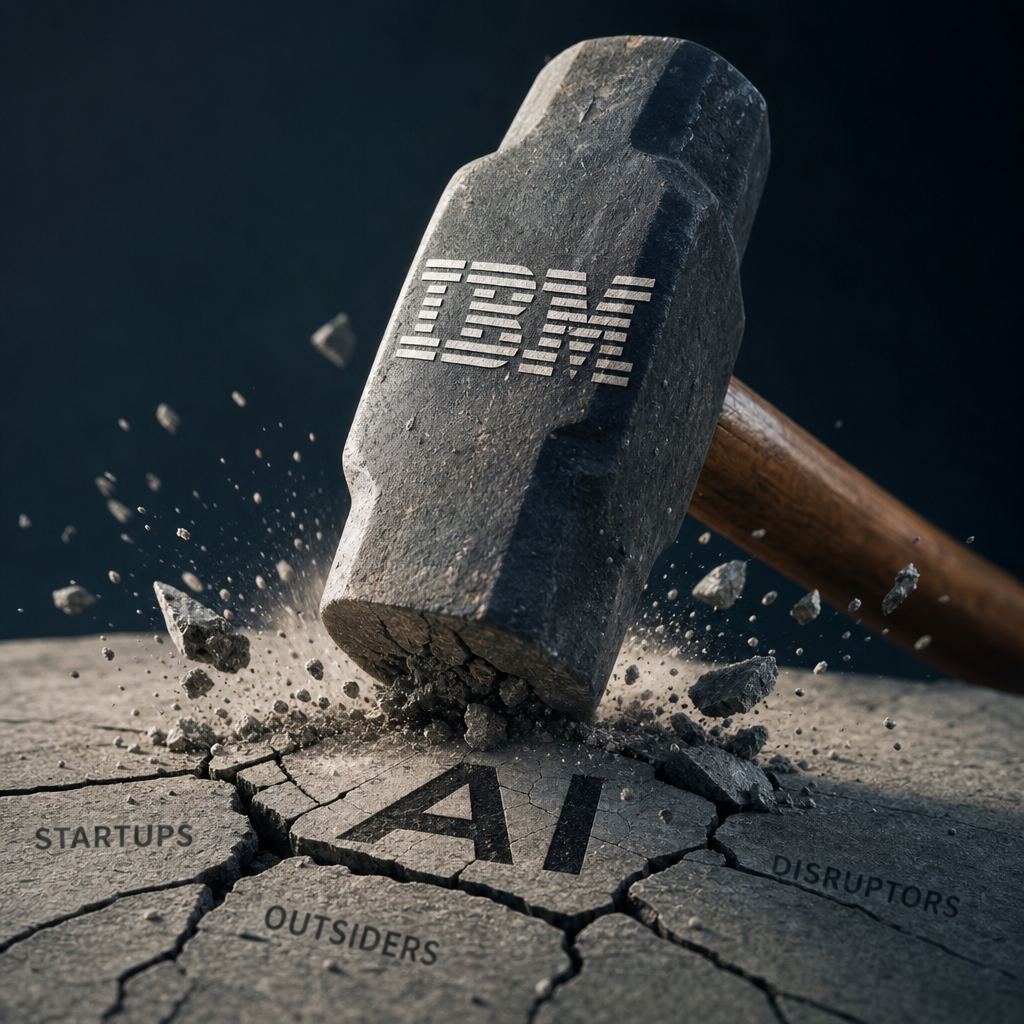
Why Tech Investors Are Reevaluating AI Investments
In recent years, AI has captured the attention of tech investors with its promise of transforming industries and generating new market opportunities. However, whispers of an AI investment reevaluation are now being heard in the halls of tech giants and venture capitals. Is the AI hype train slowing down, or are investors merely recalibrating their approaches?
As AI technologies continue to evolve, they bring both opportunities and challenges that are causing investors to rethink their strategies. From ethical concerns to market saturation, understanding the reasons behind this shift can offer a deeper insight into the future of AI investments.

The Maturity Phase of AI
AI has rapidly transitioned from being a futuristic concept to a mature technology with practical applications in various sectors. This maturity phase is prompting investors to reconsider their strategic priorities and financial commitments.
Overcoming the Hype Cycle
The initial hype surrounding AI led to skyrocketing valuations and a surge of startups promising to revolutionize the industry. As the dust settles, reality checks reveal that not every AI application can deliver groundbreaking outcomes, leading investors to focus on sustainable and scalable solutions.
- Market saturation with similar AI products
- The need for consolidation in the industry
- A shift towards applied AI rather than experimental AI
Navigating the Ethical and Regulatory Landscape
Ethical concerns and emerging regulations are becoming significant factors influencing AI investments. With greater scrutiny on data privacy and algorithmic fairness, investors are keen to investigate the long-term viability of AI projects before committing their funds.
Data Privacy and Bias
Investors are increasingly aware of the potential repercussions of AI systems perpetuating biases or mishandling user data. Ensuring compliance with data protection regulations is becoming a prerequisite for successful investments.
The Table of Key Regulatory Standards
| Regulatory Body | Focus Area | Impact on AI Investment |
|---|---|---|
| GDPR | Data Privacy | Increased compliance costs |
| AI Act | AI Ethics | Focus on ethical AI development |
| CCPA | Consumer Data Rights | Prioritization of consumer consent |
Financial Considerations and ROI
Tech investors are sharpening their focus on return on investment (ROI) while navigating economic uncertainties and competitive pressure. Gone are the days of expansive capital expenditures without clear profitability trajectories.
Cost-Benefit Analysis
Investors are employing rigorous cost-benefit analyses to assess the economic viability of AI projects. The emphasis is on understanding operational costs, potential risks, and scalability potential.
- Operational Efficiency Gains
- Scalable Business Models
- Risk Mitigation Strategies
Conclusion: A Calculated Approach to AI
The reevaluation of AI investments represents a natural maturation process within the tech industry. Rather than halting AI innovations, investors are taking a calculated approach that balances technological potential with practical outcomes.
As AI continues to break new ground, investors’ strategic shifts signify a move towards a more sustainable and ethically guided future. These changes may well catalyze the next wave of groundbreaking AI applications with lasting impacts.