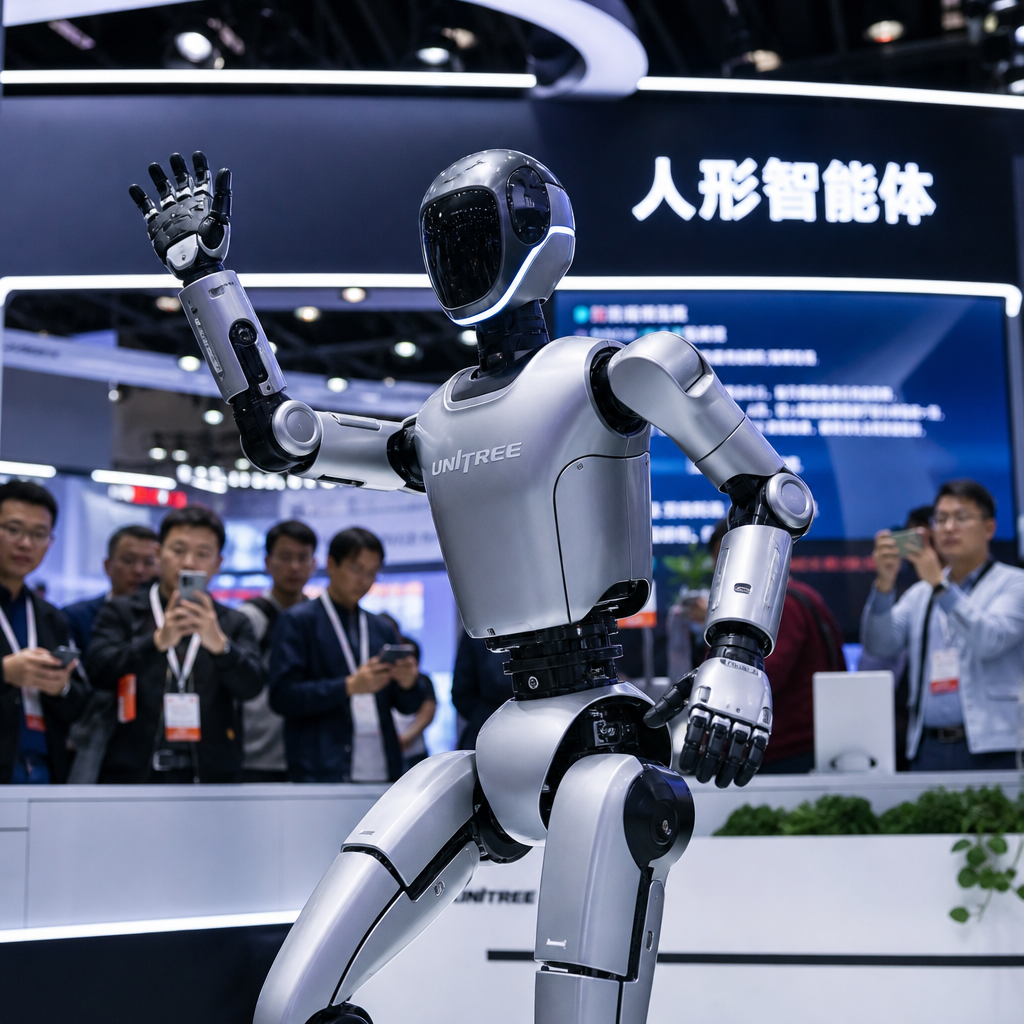
The Rise of Physical AI: A New Era for China’s Technology Sector
In an unprecedented leap forward, Physical AI has taken center stage in technological advancements. As China positions itself at the forefront of this innovation, questions loom about what this means for its future tech landscape.
With the convergence of physical and artificial intelligence, the implications are vast, ranging from everyday applications to transformative industry shifts. This development fuels intrigue and anticipation in equal measure, prompting a closer look at China’s evolving tech narrative.

The Emergence of Physical AI
Physical AI represents the integration of artificial intelligence with the physical world, creating systems that can interact, adapt, and respond in real-time. Unlike traditional AI, which focuses primarily on data and algorithms, Physical AI brings intelligence to tangible environments.
China’s commitment to technological strides has propelled it to embrace Physical AI vigorously. This pursuit aligns with its broader ambition to dominate the AI sector globally, transforming industries through intelligent robotics and smart systems.
Implications for China’s Tech Industry
The adoption of Physical AI has potential ripple effects across several industries. From manufacturing to healthcare, the ability to deploy AI in real-world settings can enhance efficiency, reduce costs, and improve outcomes.
- Manufacturing: Intelligent machines can streamline operations, increase productivity, and mitigate human error.
- Healthcare: AI-powered devices and robots can assist in surgeries, patient care, and diagnostics, revolutionizing medical services.
- Logistics: Enhanced automation in supply chains can lead to faster and more reliable delivery processes.
China’s Strategic Moves
China’s government has been instrumental in supporting AI development through policies and investments. Initiatives such as the AI Development Plan aim to create a robust ecosystem for innovation and talent cultivation.
Collaborations between tech startups, established companies, and educational institutions are fostering an environment where Physical AI can thrive. This cohesive approach positions China as a leader in this burgeoning field.
Challenges and Opportunities
While the promise of Physical AI is immense, challenges remain. Issues like cybersecurity, ethical considerations, and the need for regulatory frameworks must be addressed to harness its full potential.
However, with these challenges come opportunities. Innovators and entrepreneurs are exploring new business models and applications that capitalize on Physical AI’s capabilities.
Comparative Analysis
| Aspect | Traditional AI | Physical AI |
|---|---|---|
| Primary Focus | Data and Algorithms | Integration with Physical Environment |
| Applications | Software-driven | Hardware and Environment Interaction |
| Key Benefit | Predictive Analytics | Real-world Adaptability |
Conclusion: The Road Ahead for China
As Physical AI reshapes the technology landscape, China’s strategic investments and innovative spirit promise to keep it at the forefront of this innovation wave. The country’s tech ecosystem is poised to evolve, embracing new paradigms and redefining what’s possible in the digital and physical realms.
The journey ahead is as challenging as it is exciting, with the world watching China’s next move in the Physical AI domain.