Kling AI’s TIFF Market Panel: Navigating Tech Challenges and Human-Centric Solutions in AI Filmmaking
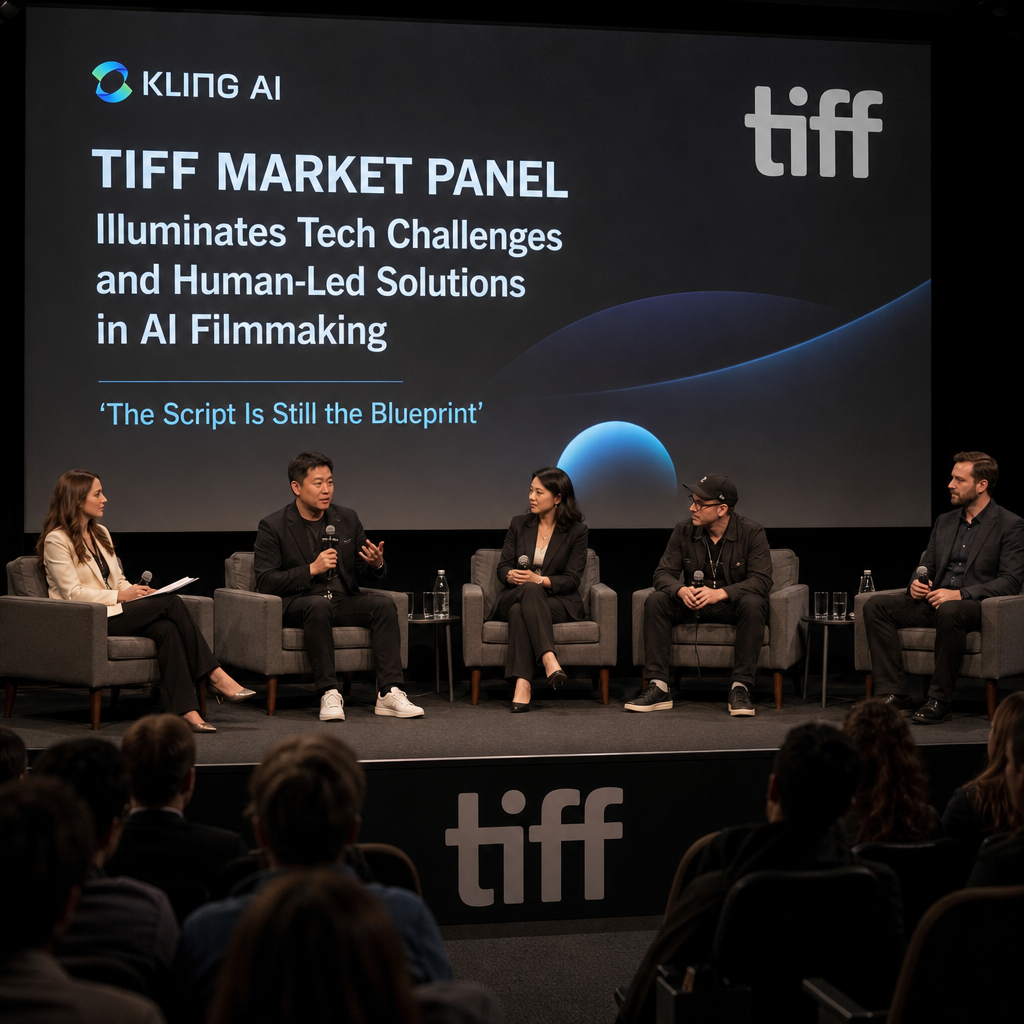
Film has always been an arena where art and technology intersect. As AI becomes increasingly embedded in filmmaking, industry experts gathered at the recent TIFF Market Panel to delve into the dynamic relationship between tech innovations and the enduring essence of human creativity. In an era where AI can assist in shaping story arcs and visual effects, the panelists emphasized that, ultimately, the script remains the indispensable blueprint of the film.
This exploration is driven by the emergence of AI tools that promise to transform the filmmaking landscape. However, despite these technological advancements, the heart of storytelling relies heavily on human intuition and experience. Let’s dive into the discussions from the panel highlighting the tech challenges and the human-led solutions revolutionizing AI’s role in filmmaking.

AI in Filmmaking: The Current Landscape
The integration of AI in filmmaking has opened doors to groundbreaking possibilities. AI-driven tools are now used to streamline editing processes, predict successful story elements, and create special effects with unprecedented efficiency. This technological leap, however, does not come without challenges.
- Data Bias: AI systems, reliant on data, often inherit inherent biases, affecting storytelling diversity.
- Loss of Creative Control: Filmmakers fear AI might overshadow human creativity, making art feel synthetic.
- High Costs: AI implementation requires significant investment in technology and expertise, potentially limiting access for independent filmmakers.
Bridging the Gap: Human-Led Solutions
Faced with these challenges, human creativity and strategic thinking remain invaluable. The TIFF panel shed light on innovative solutions fostering a symbiotic relationship between AI and filmmakers.
1. Collaborative Storytelling
While AI can suggest plot points, human writers balance AI’s analytical input with emotional depth and cultural nuance. Collaborative ecosystems where AI empowers, rather than dictates creativity, are essential.
2. Re-Training AI Models
To combat data bias, developers are refining AI models through diverse datasets, ensuring representation and fairness in storytelling. This iterative re-training is bolstered by continuous human oversight.
| Challenge | Solution |
|---|---|
| Data Bias | Diverse Dataset Training |
| Creative Control | Collaborative Tools |
| High Costs | Open-source AI Tools |
The Future of AI-Driven Filmmaking
As AI continues to evolve, the future of filmmaking holds the promise of even more sophisticated tools. Yet, the human element will remain crucial in infusing soul and authenticity into each narrative.
The industry’s adaptability will depend on education and training for filmmakers to harness AI tools effectively and ethically. As AI reshapes the landscape, filmmakers must remain vigilant custodians of the art they aim to protect and expand.