The Rise of AI-Generated Threats: A New Wave in Cybersecurity Challenges
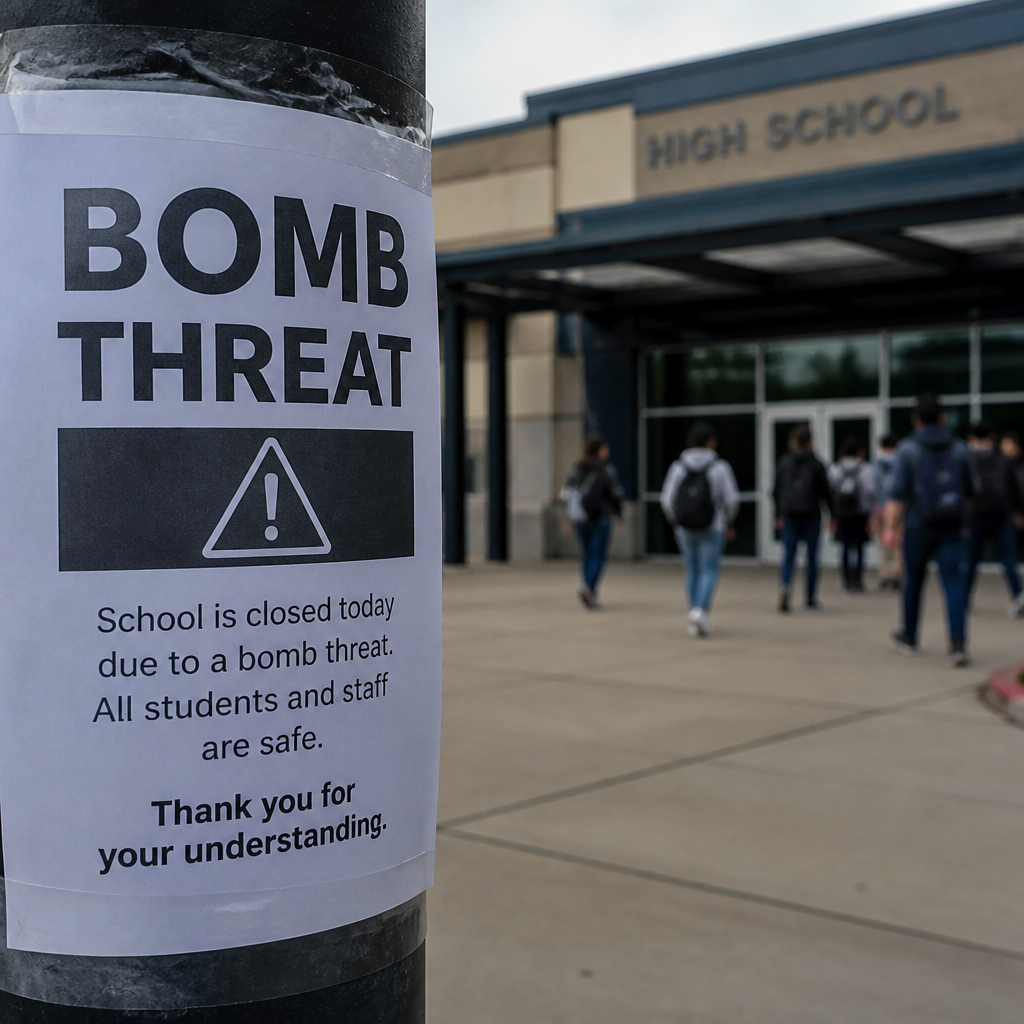
In an unprecedented turn of events, a California school found itself at the center of a digital storm. The culprit? An AI-generated bomb threat that forced the educational institution to close its doors for safety concerns. As AI continues to evolve, so do the tactics of those who seek to use it for less-than-noble purposes.
The incident has sparked debates and discussions around the vulnerability of today’s digital systems to AI-generated threats. The ability of AI to mimic human intelligence makes it both a boon and a bane, posing unique challenges for tech security experts worldwide.

Understanding AI-Generated Threats
AI-generated threats, such as those that mimic human behavior or generate fraudulent scenarios, represent a new frontier in cyber threats. This isn’t simply a case of spam emails or phishing scams. It’s about creating realistic situations that can trigger panic and fear.
These threats rely on the sophistication of AI algorithms that can learn from existing data to create plausible threat scenarios. Their emergence underscores the necessity for advanced cybersecurity frameworks that can identify and neutralize such threats effectively.
The Mechanics Behind AI-Generated Threats
AI-generated threats are often powered by advanced machine learning models. These models allow AI to analyze vast amounts of data, learning to predict and simulate human-like interactions and speech. But how exactly does this translate into a threat?
The key lies in natural language processing (NLP), which enables AI to generate realistic-sounding warnings and alerts. When coupled with social engineering, these threats become sophisticated tools in creating havoc.
- Learning human-like interactions
- NLP for generating realistic content
- Advanced pattern recognition to mimic existing threats
Impact on Cybersecurity Measures
The emergent nature of AI-generated threats necessitates a re-evaluation of current cybersecurity measures. Traditional security protocols are often unequipped to handle such nuanced threats. Thus, there’s a pressing need for systems that can adapt swiftly to AI-driven challenges.
Steps for Enhancing Cyber Defense
Organizations must pivot their security measures to combat AI-generated threats. The focus must be on creating adaptive and responsive security frameworks capable of evolving alongside emerging technologies.
Here is a list of steps organizations can take to safeguard against these threats:
- Integrate AI-based security solutions for proactive defense
- Enhance human-AI collaboration to analyze and respond to threats faster
- Regularly update and educate security personnel on emerging threats
- Establish clear protocols for threat assessment and response
A Holistic Approach to Tech Security
While technology is integral to modern society, it’s imperative to adopt a holistic approach to security. Understanding the dual nature of AI—its potential to harm and help—is vital for creating a balanced tech ecosystem.
Efforts must be geared towards fostering an environment where AI is developed with ethical considerations at the forefront. Only then can we harness its power without falling prey to its potential pitfalls.
Table: Comparing Traditional vs AI-Driven Cyber Threats
| Aspect | Traditional Threats | AI-Driven Threats |
|---|---|---|
| Complexity | Usually straightforward | Highly sophisticated |
| Detection Methods | Signature-based | Behavioral analysis required |
| Response Time | Can be rapid | Requires more time to analyze |
| Harm Potential | Moderate | Significant with global impacts |
Conclusion: Navigating the AI Threat Landscape
The rise of AI-generated threats marks a turning point in the realm of cybersecurity. As AI’s capabilities expand, so too does its potential to be exploited in malicious ways. Tackling these threats requires an approach that blends cutting-edge technology with human intuition and ethical guidelines.
Ultimately, our collective response to AI-generated threats will define the future trajectory of tech security. The time to act is now, ensuring AI serves as a tool for improvement rather than a harbinger of chaos.