Balancing Transition: China’s Strategic Shift from Excess Capacity to AI and High-Tech Advances
In the complex web of global economics, few themes are as compelling as the transformational shift in China’s industrial landscape. Torn between excess capacity issues and a tech-forward future, China is navigating these waters with a strategic flair that has left analysts both intrigued and cautious.
Now, more than ever, it’s crucial to understand the undercurrents of China’s approach as it strategically exits industries characterized by overcapacity, all while fostering growth in artificial intelligence (AI) and high-tech sectors.

The Problem of Excess Capacity
The issue of excess capacity has long been a thorn in China’s side. As the Chinese economy looked to boost its industrial productivity, many sectors found themselves producing far beyond market demand.
This led to various challenges, such as price wars and inefficient resource allocation, ultimately stymying economic growth and innovation.
Industries Affected
- Steel and Iron Production
- Cement Manufacturing
- Coal Mining
These industries were particularly hard-hit by surplus production, leading to environmental concerns and unsustainable business practices.
China’s Path to Strategic Exit
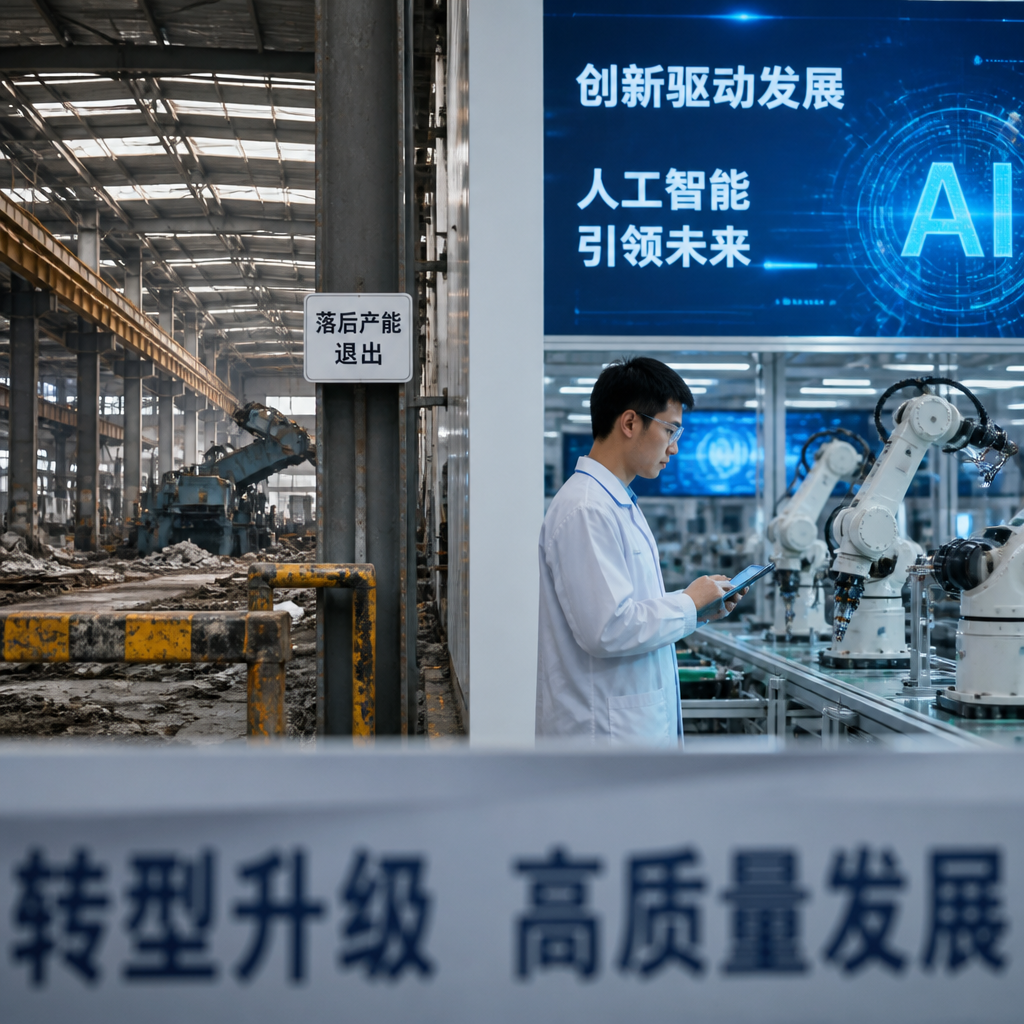
Understanding the macroeconomic repercussions, China’s strategy has shifted towards an ‘orderly exit’ from these sectors. This involves gradual wind-downs and reallocations, while cushioning impacts on employees and local economies.
Policy Measures
The Chinese government has rolled out several policy measures aimed at easing this transition, such as subsidies for retraining programs and incentives for firms that lower capacity.
| Policy Measure | Impact |
|---|---|
| Retraining Programs | Assists workers in transitioning to new sectors. |
| Subsidies | Incentivizes firms to reduce overcapacity. |
| Tax Breaks | Encourages innovation and tech development. |
The Rise of AI and High-Tech Sectors
The digital revolution has seen China pivot towards AI and high-tech firm expansions. This shift signals not just an economic strategy, but a technological renaissance.
Key Areas of Expansion
- Artificial Intelligence
- Semiconductor Manufacturing
- Green Technologies
This transition aims to position China as a global leader in high-tech innovation and sustainable development.
The Role of AI
AI’s role in China’s strategy cannot be overlooked. From smart city initiatives to AI-driven manufacturing, the technological advancements promise to redefine the industrial landscape.
Companies like Tencent and Baidu are at the forefront, expanding their influence and capacity in AI research and development.
The Implications for Global Markets
China’s dual strategy of exiting excess capacity while scaling new tech sectors has far-reaching implications. It affects global supply chains, commodity prices, and international trade agreements.
International Trade
With China moving away from traditional industries, countries reliant on those exports might see shifts in trade dynamics.
- Potential Trade Imbalances
- New Trade Agreements Focused on Tech and AI
Conclusion
In essence, China’s strategic shift is a masterclass in balancing economic challenges with future opportunities.
As China continues this ambitious transition, its effects will echo through global markets, offering lessons and opportunities for nations worldwide.