AI Agents on the Trading Floor: A Promise or a Peril?
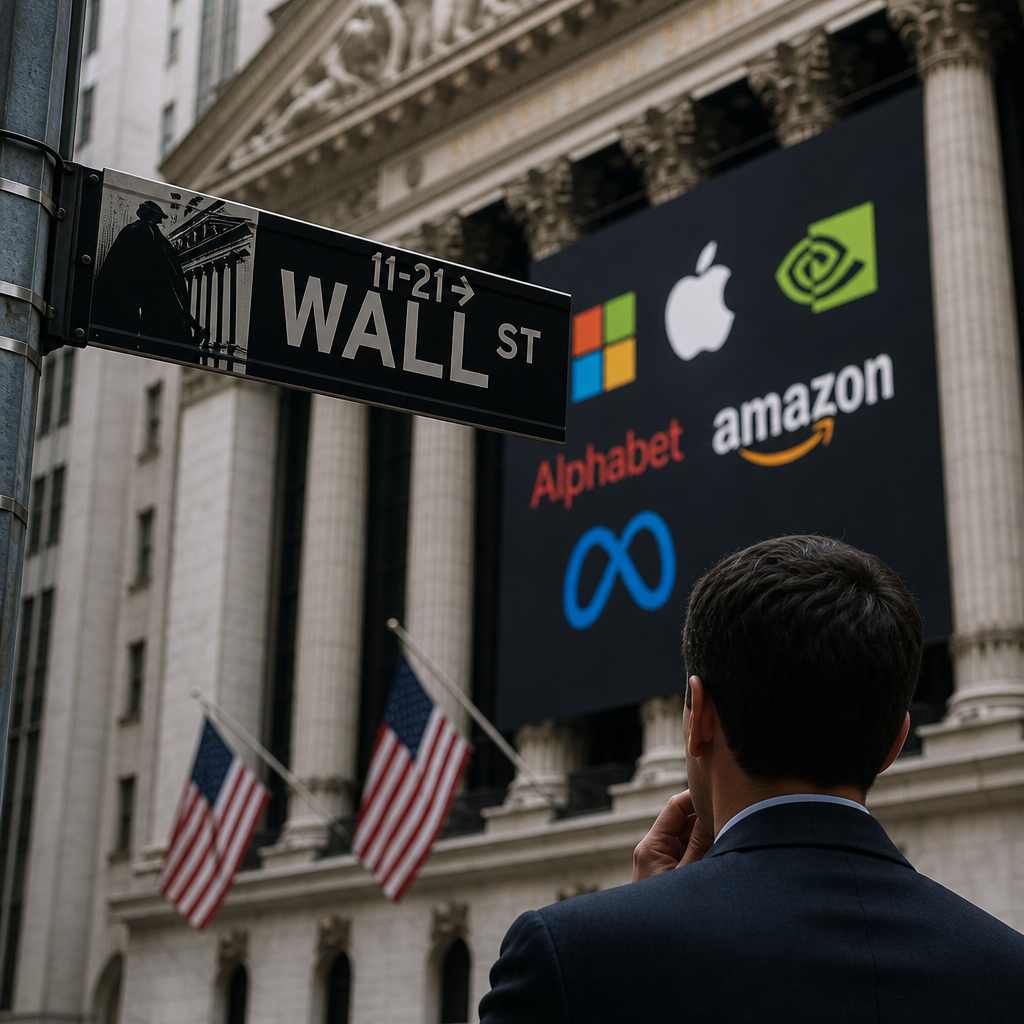
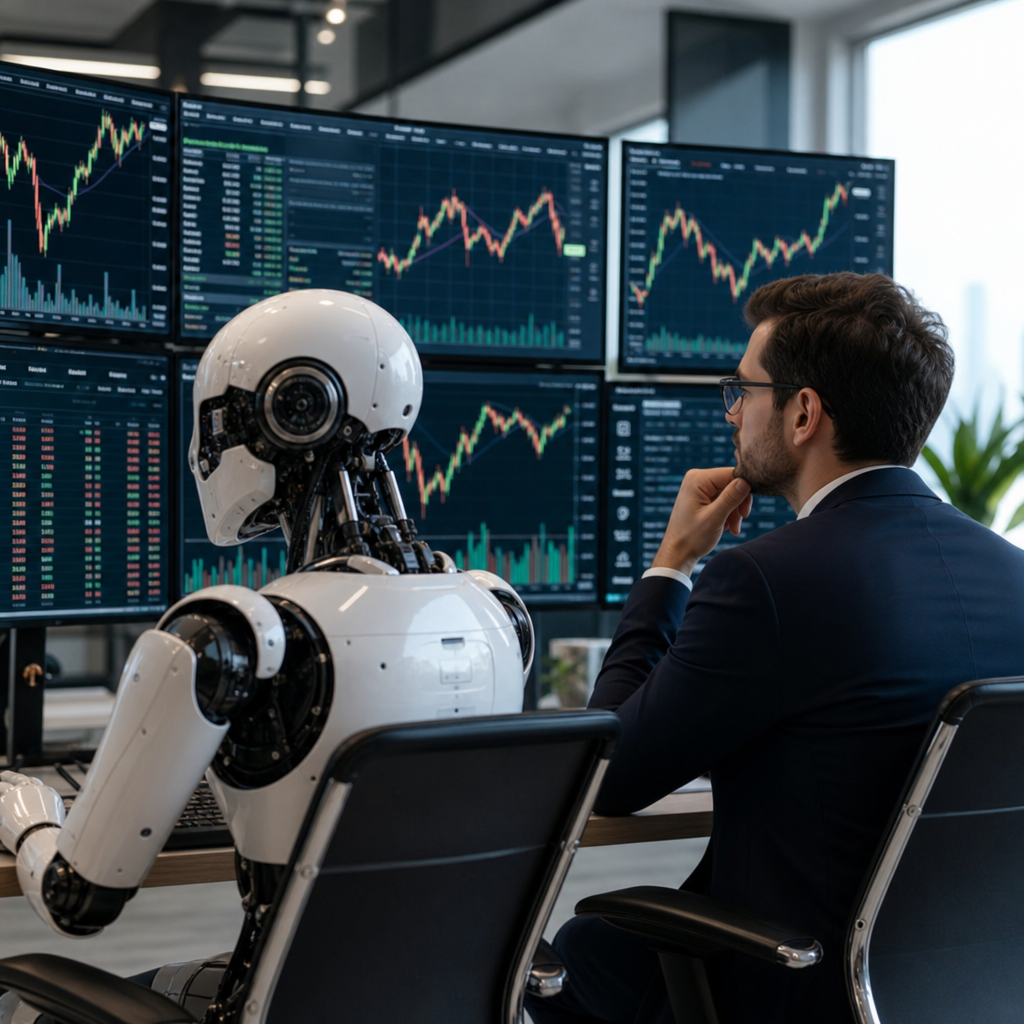
In a bold assertion that could reshape the financial world, Robinhood’s CEO recently claimed that AI agents could soon match the prowess of human traders. This statement not only challenges traditional market perceptions but also sparks conversations about the future role of human traders in a digital age.
As trading floors grapple with increasing volatility and complexity, the introduction of AI could offer unprecedented opportunities. However, it also poses significant risks that need to be meticulously balanced to ensure a seamless integration with existing systems.

The Advent of AI in Trading
AI in trading is not a concept from a distant future; it’s already unfolding. Algorithms and machine learning are playing critical roles in high-frequency trading, revealing how AI offers speed and efficiency beyond human reach.
Current Use of AI in Trading
- Algorithmic Trading: Using algorithms to make rapid trading decisions.
- Sentiment Analysis: AI analyzes market sentiment through news and social media.
Potential Advantages of AI Traders
Speed and Efficiency
AI traders can process and analyze vast amounts of data within milliseconds, making split-second decisions that are nearly impossible for humans.
Data Analysis and Pattern Recognition
AI’s capacity for identifying complex patterns in historical data can lead to innovative trading strategies and better risk assessment.
Challenges and Risks Involved
Technical Limitations
- Data Quality: AI relies heavily on high-quality data, and inaccuracies can lead to flawed decisions.
- Algorithm Bias: Unintended biases in AI algorithms may skew trading results.
Regulatory and Ethical Considerations
Financial regulations have yet to catch up with the swift pace of AI development. Ethical concerns about transparency and accountability in AI-driven trades are mounting.
A Comparative Look: Human vs. AI Traders
| Aspect | Human Traders | AI Traders |
|---|---|---|
| Speed | Limited by human cognition and physical capability | Milliseconds to execute trades |
| Data Processing | Relies on experience and intuition | Analyses vast datasets quickly |
| Emotion | Prone to emotional decision-making | Emotionless, data-driven |
| Experience | Beneficial in complex judgment calls | Learns from historical data patterns |
The Road Ahead
AI’s potential to transform trading is undeniable. Its eventual role should be that of an enabler, augmenting human skills. Human insight combined with AI’s computational power promises to create a resilient financial ecosystem.
The ongoing debate isn’t just about technology; it’s about redefining roles in a rapidly digitalizing world. It’s imperative for stakeholders to tread carefully, ensuring that AI complements rather than supplants human effort.