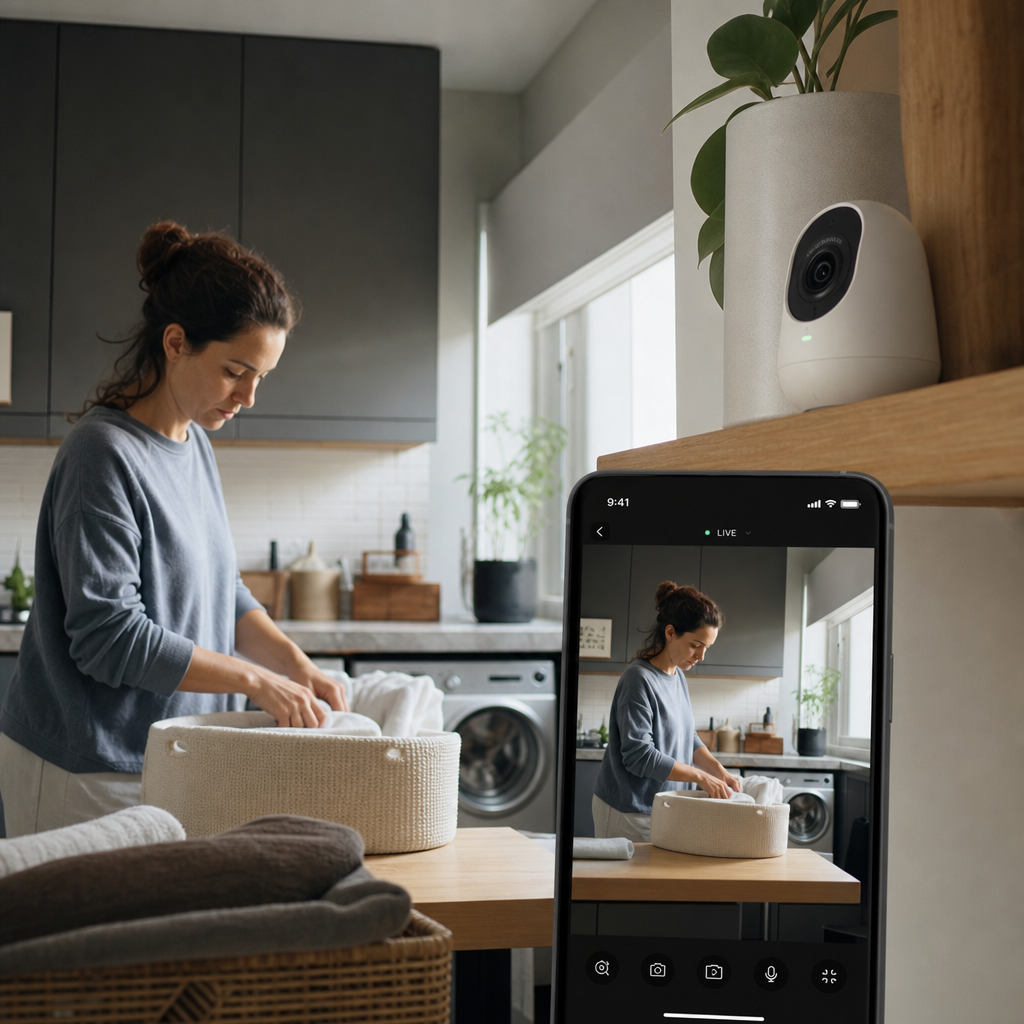
Imagine a world where even the mundane tasks of your day-to-day life are under the watchful eye of tech companies. No longer just the domain of futuristic movies, this is rapidly becoming a reality as companies invest heavily in technology designed to observe and analyze our chore-related activities.
At first glance, it might seem odd that tech companies are interested in filming something as ordinary as dishwashing or vacuuming. However, their interest is not only about curiosity—it’s a strategic move aimed at enhancing the future of smart technology. As more homes become smart-enabled, understanding how people interact with their environment, especially through menial tasks, could be the key to innovating new products and services.

The Rise of Smart Home Devices
Smart home devices are becoming ubiquitous. From smart speakers to automated vacuum cleaners, these devices provide convenience, efficiency, and, most crucially, data.
This data is invaluable to tech companies as they seek to create even more innovative solutions tailored to our everyday needs. Leveraging insights from our everyday routines can lead to significant advancements in artificial intelligence and machine learning models.
The Economics of Filming Chores
- Data Collection: Observing how people perform chores offers unparalleled insights into consumer behavior.
- Product Improvement: Knowing what frustrations users face allows for better product design.
- Market Positioning: Companies can market more user-friendly and smarter solutions tailored specifically to ease household burdens.
The Privacy Dilemma
The idea of being watched while cleaning the countertops or doing laundry raises a significant concern: privacy. Many consumers are wary of having their personal spaces monitored constantly.
Tech companies must navigate the fine balance between data collection and preserving user privacy. Transparency, robust data encryption, and giving control back to the user are crucial strategies to alleviate privacy concerns.
The Future of Chore-Tracking Tech
- Enhanced AI: More intuitive gadgets that ‘learn’ based on observed behaviors.
- Interoperability: Better integration between various smart devices.
- Personalization: Tailored solutions specific to household preferences and needs.
Conclusion
Despite privacy concerns, the fascination tech companies have with filming chores speaks volumes about the direction smart home device technology is headed. As tech evolves, so will its integration into our domestic routines, creating a future where every interaction is optimized through sophisticated data insights.
Table: Key Considerations
| Aspect | Consideration |
|---|---|
| Data Collection | Integrating AI with actual behavior patterns. |
| Privacy | Ensuring secure and transparent data practices. |
| Market Trends | Shifting consumer demands for convenience and efficiency. |
The curiosity tech companies have in filming mundane tasks is a catalyst for innovation. As they continue to break new ground, the discussions around privacy and ethics will be pivotal in shaping a balanced approach to this new frontier in technology.